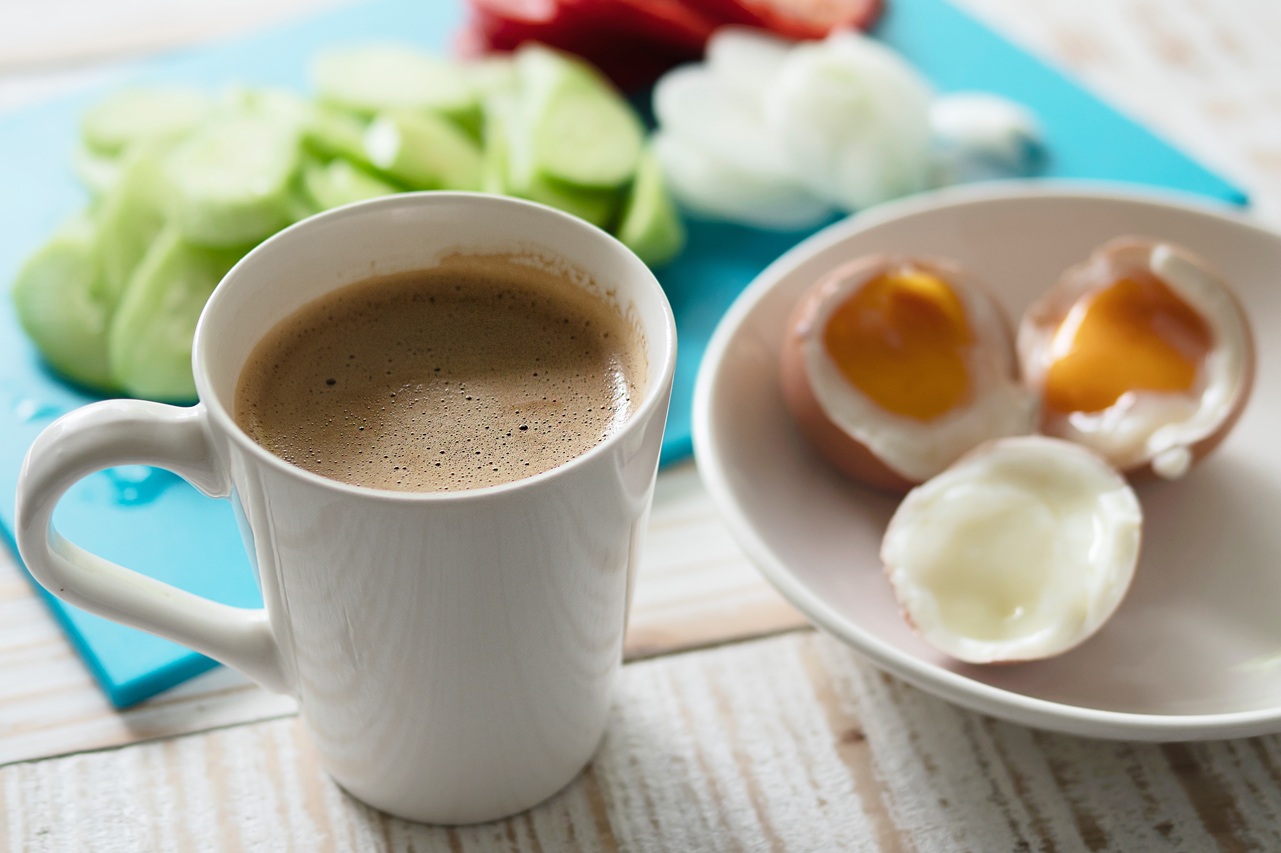
Vietnamese Egg Coffee, known locally as Cà Phê Trứng, is a captivating blend of bold coffee and velvety, sweetened egg foam. This unique drink, often described as a “liquid tiramisu,” delivers a rich, creamy texture atop a strong, robusta base, offering both warmth and indulgence in every sip. Though its origins are rooted in necessity during a milk shortage, it has since become an iconic Hanoi specialty and a global coffee sensation, inspiring home enthusiasts and café connoisseurs alike.
Whether you’re a coffee aficionado curious about international flavors or someone seeking a new kitchen experiment, mastering Cà Phê Trứng combines historical appreciation with hands-on technique. In this guide, you’ll explore its storied past, gather the essential ingredients, and learn step-by-step how to craft this distinctive beverage at home.
Origins and History
Cà Phê Trứng was born in Hanoi in 1946, amid the challenges of the First Indochina War. At the Sofitel Legend Metropole Hotel, bartender Nguyen Van Giang faced a shortage of fresh milk and improvised by whisking egg yolks with sweetened condensed milk and sugar. The result was a frothy, custard-like topping that perfectly complemented the bold, robusta coffee brewed in traditional phin filters. This creative solution quickly gained popularity, leading Giang to open Café Giang, where his son continues the family tradition to this day.
Vietnam’s coffee roots stretch back to the 19th century under French colonial influence. While the French introduced coffee cultivation, it was the Central Highlands robusta beans that became central to Vietnam’s distinctive coffee culture. The invention of egg coffee highlights not only Hanoi’s ingenuity during difficult times but also the adaptability and creativity of Vietnamese coffee traditions—a legacy that continues to capture the attention of coffee lovers worldwide.
Ingredients for Authentic Cà Phê Trứng
Creating a perfect Vietnamese Egg Coffee begins with selecting the right ingredients. Each component contributes to the drink’s signature balance of strong coffee and creamy, airy sweetness:
- Vietnamese robusta coffee – About 4 oz (120 ml) per serving, brewed with a traditional phin filter. The robusta’s bold flavor cuts through the richness of the egg foam.
- Fresh egg yolks – 2 per serving. Use high-quality, fresh eggs since the yolks remain uncooked but are safely transformed into a velvety custard-like foam.
- Sweetened condensed milk – 2–3 tablespoons, to add sweetness and help stabilize the whipped yolks.
- Sugar – 1–2 tablespoons, enhancing the foam’s structure and flavor.
Optional substitutions:
If authentic Vietnamese robusta is unavailable, a dark roast espresso can work, though it may slightly alter the flavor profile. The key is maintaining a strong coffee base that balances the sweet, frothy topping.
Tip: Freshness and quality matter. The eggs and coffee determine both the flavor and texture, so prioritize sourcing high-quality ingredients for the best results.
How to Prepare Authentic Vietnamese Egg Coffee
Crafting Cà Phê Trứng requires both patience and technique, but the reward is a beautifully layered, velvety coffee. Follow these steps for an authentic experience:
- Brew the coffee
- Use a phin filter to brew 4 oz (120 ml) of strong Vietnamese robusta coffee.
- Keep the coffee warm by placing the brewed cup in a shallow hot water bath while you prepare the egg foam.
- Prepare the egg yolks
- Separate 2 egg yolks into a mixing bowl.
- Add 2–3 tablespoons of sweetened condensed milk and 1–2 tablespoons of sugar.
- Whip the mixture
- Using a hand whisk or electric mixer, beat the yolks, sugar, and condensed milk for 5–10 minutes, until the mixture becomes thick, pale, and ribbon-like.
- Test consistency by dropping a small dollop into a bowl of water; it should float without dissolving immediately.
- Combine coffee and foam
- Pour the brewed coffee into a heat-resistant glass.
- Gently spoon the whipped egg mixture on top, forming a distinct, airy layer. Avoid stirring; the foam should sit on the coffee like a delicate custard.
- Serve and enjoy
- Optionally, sprinkle a touch of cocoa or cinnamon on top for extra aroma.
- Sip slowly to savor the contrast between the strong coffee and creamy foam—a taste experience often described as a “liquid tiramisu.”
Pro tip: Practice makes perfect. The key to authentic Cà Phê Trứng lies in achieving the right foam consistency and floating it gently atop the coffee.
Safety Tips and Variations
While Cà Phê Trứng is delicious, it involves raw egg yolks, so safety is essential:
- Use fresh, high-quality eggs from trusted sources to minimize the risk of salmonella.
- Sugar stabilizes the foam, making the whipping process safer and more consistent.
- Keep coffee hot before combining with the egg foam to maintain texture and reduce bacterial risk.
Variations and adaptations:
- Some home cooks use dark roast espresso if Vietnamese robusta is unavailable, though the flavor profile may differ slightly.
- Modern coffee trends, like whipped coffee (Dalgona), draw inspiration from egg coffee’s frothy texture, but purists insist that true Cà Phê Trứng relies on phin-brewed robusta.
- Optional garnishes like cocoa, cinnamon, or nutmeg add aromatic flair without altering authenticity.
Even with minor adaptations, the essence of Cà Phê Trứng lies in the creamy, floating yolk foam and strong coffee base—a balance that honors Hanoi’s original wartime creation.
Critical Analysis and Tips
Cà Phê Trứng is more than just a drink; it’s a blend of history, technique, and sensory pleasure. Reviewing the sources and traditional methods reveals several key insights:
- Consistency across sources: Most accounts agree on the origins in Hanoi, the method of whisking egg yolks with condensed milk, and the use of robusta coffee.
- Strengths: The recipe is replicable at home, creating a distinct “liquid tiramisu” texture with a creamy, airy foam atop bold coffee. It’s approachable for home baristas while remaining deeply rooted in Vietnamese tradition.
- Weaknesses: Reliance on raw egg yolks limits scalability without pasteurization, and nutritional data is sparse.
Actionable tips for readers:
- Practice whisking egg yolks for proper foam consistency; the ribbon-like texture is key to floating atop the coffee.
- Use a heat-resistant glass to prevent cracking when pouring hot coffee.
- Keep coffee hot while preparing foam to maintain the layered effect.
By understanding both the technique and the cultural context, you can enjoy Cà Phê Trứng not just as a beverage, but as a taste of Hanoi’s inventive coffee heritage.
Bringing Hanoi’s Coffee Tradition Home
Vietnamese Egg Coffee, or Cà Phê Trứng, is a perfect marriage of history, creativity, and flavor. From its wartime origins in Hanoi to its rise as a globally celebrated specialty, this frothy, custard-topped coffee tells a story in every sip. By carefully selecting high-quality ingredients, mastering the whisking technique, and respecting the balance between bold coffee and creamy foam, you can recreate an authentic Cà Phê Trứng experience in your own kitchen.
Whether enjoyed as a morning indulgence or a late-afternoon treat, this unique beverage invites you to savor both Vietnamese tradition and your own craftsmanship. With practice and attention to detail, every cup becomes a small tribute to Hanoi’s inventive spirit and the enduring allure of its coffee culture.